



Entry Management Platform
Wygress: Autonomous Entry, Attendance and Occupancy Management
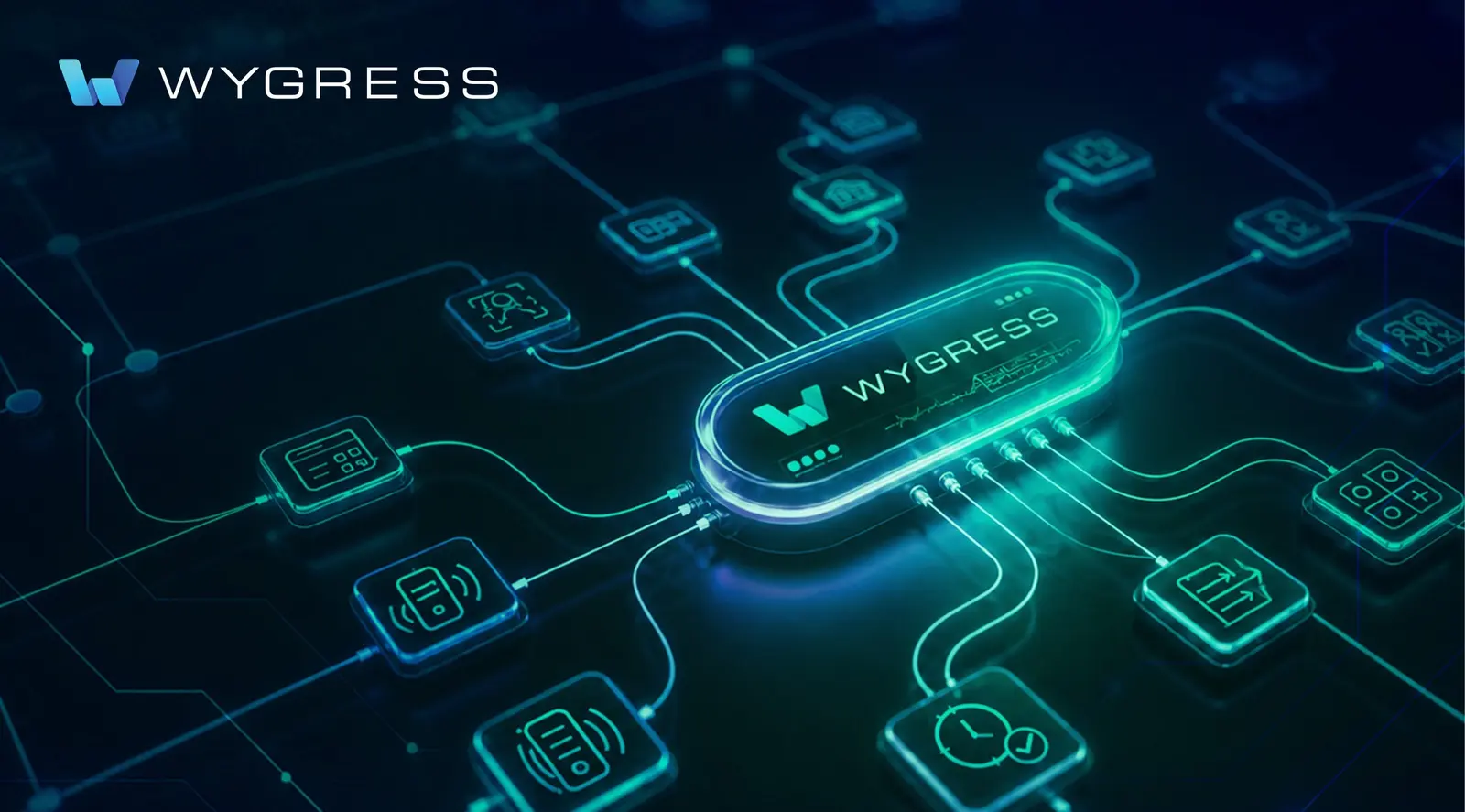
Wygress by Openitem is a flexible entry management platform that brings access, communication, attendance, occupancy and safety information together in one focused solution — with its own dedicated dashboard, compatible standalone devices and optional Openitem integration.
At the point of entry
Facial accessQR & cardSIP intercomAnti-passbackAttendanceOccupancyEvacuation
Designed for organisations that want powerful entry capabilities without the complexity of a traditional full-scale access control installation, Wygress works with compatible standalone devices and provides its own dedicated dashboard. From one central environment, authorised administrators can manage users, credentials and devices while maintaining a clear view of entry activity, attendance and movement across defined areas.
Wygress supports facial recognition for up to 100,000 faces, together with QR codes and cards. This gives organisations the freedom to select the most appropriate entry method for employees, residents, visitors and contractors. SIP-enabled intercom communication supports assisted entry, while anti-passback, time and attendance, zone occupancy and evacuation functions extend the platform beyond the doorway.
The solution can operate independently or integrate with the wider Openitem ecosystem. Customers can deploy Wygress as a focused standalone platform, use it to extend an existing Openitem environment, or introduce it as the first step in a broader entry and access strategy.
Entry management on your terms
Every site has different requirements. A commercial office may prioritise fast employee entry and attendance records. A residential environment may need a combination of facial access, cards and intercom communication. A warehouse, campus or industrial site may place greater importance on anti-passback, occupancy visibility and evacuation information.
Wygress brings these requirements into one adaptable platform. Multiple entry methods can be used within the same deployment, allowing permanent users, temporary users and visitors to be handled according to their needs. The result is a consistent management experience without forcing every location into the same operating model.
A dedicated Wygress dashboard
Wygress is supported by its own purpose-built dashboard. This gives administrators a central place to view and manage the solution without requiring a separate full access control platform.
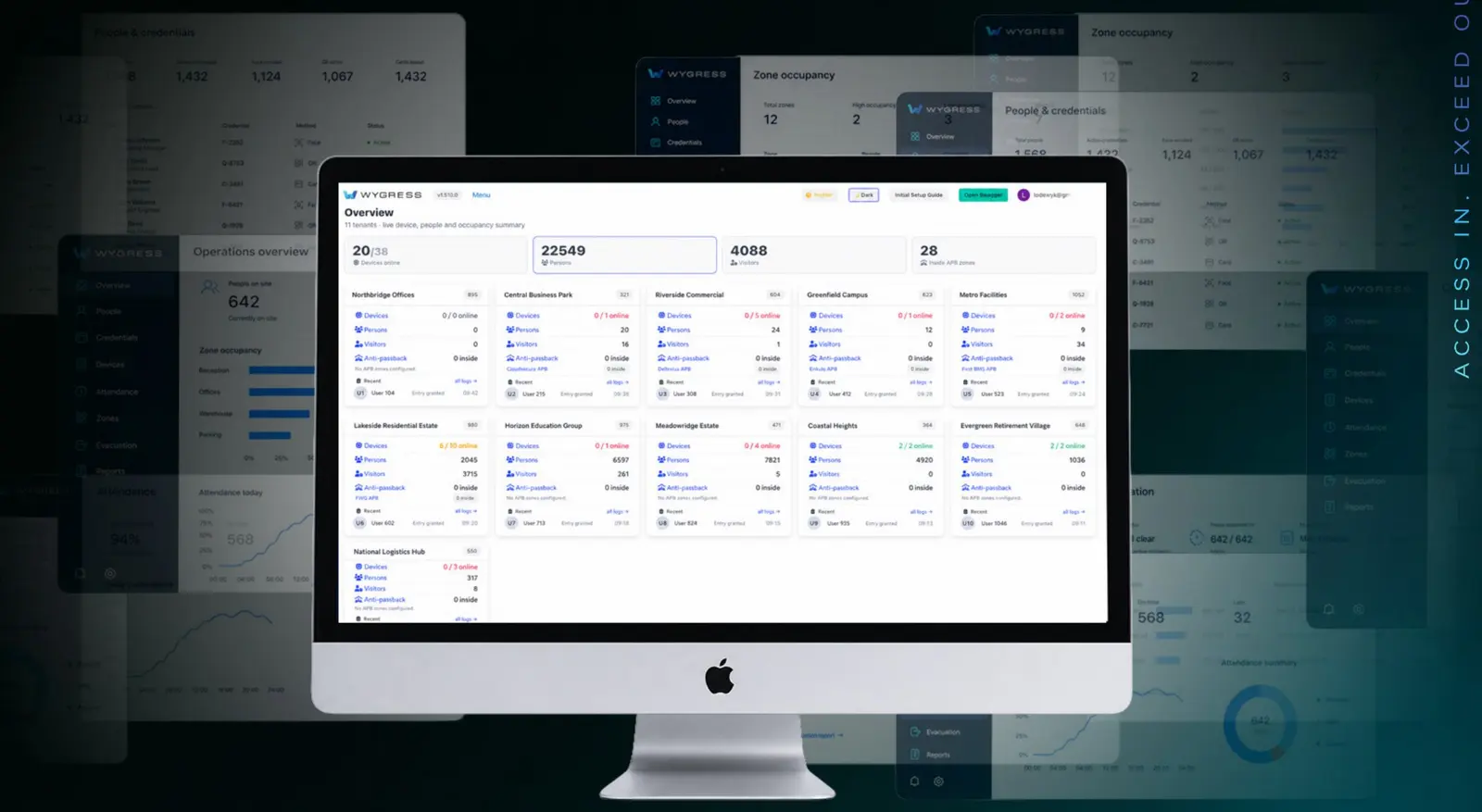
The dashboard brings the most important operational data and information together in one holistic view:
- Users and enrolled identities
- Facial, QR and card credentials
- Compatible standalone devices
- Recorded entry and exit activity
- Time and attendance information
- Zone occupancy information
- Evacuation and on-site status information
This focused view helps administrators answer practical questions quickly: Who is authorised to enter? Which credential does a person use? What activity has been recorded? Who is currently recorded within a zone? Which people may need to be accounted for during an evacuation? Whether Wygress is used at one entrance or across several locations, the dashboard provides a consistent management experience for day-to-day administration and oversight.
Key features
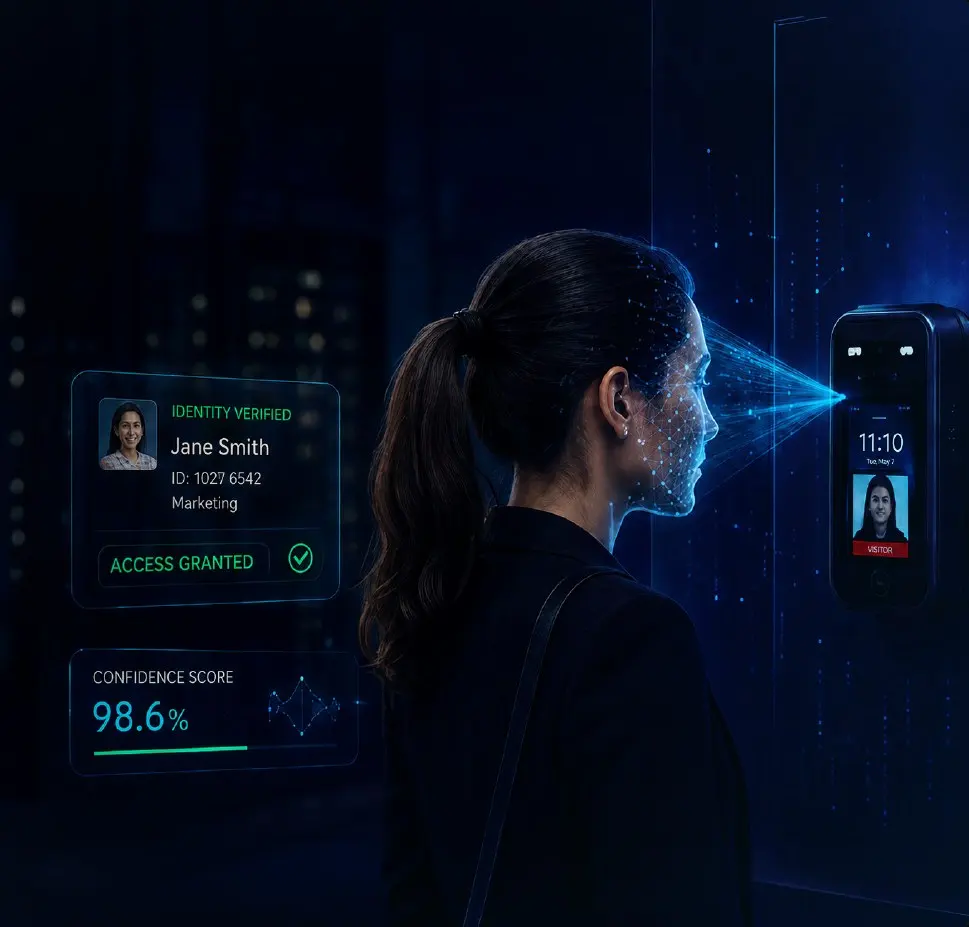
Facial access for up to 100,000 faces
Wygress supports facial access databases of up to 100,000 faces, enabling fast, contactless entry across individual buildings and high-volume sites. Enrolled users can enter without cards or shared surfaces, improving convenience, throughput and auditability. Capacity and performance depend on the selected compatible device and deployment configuration across each managed site.
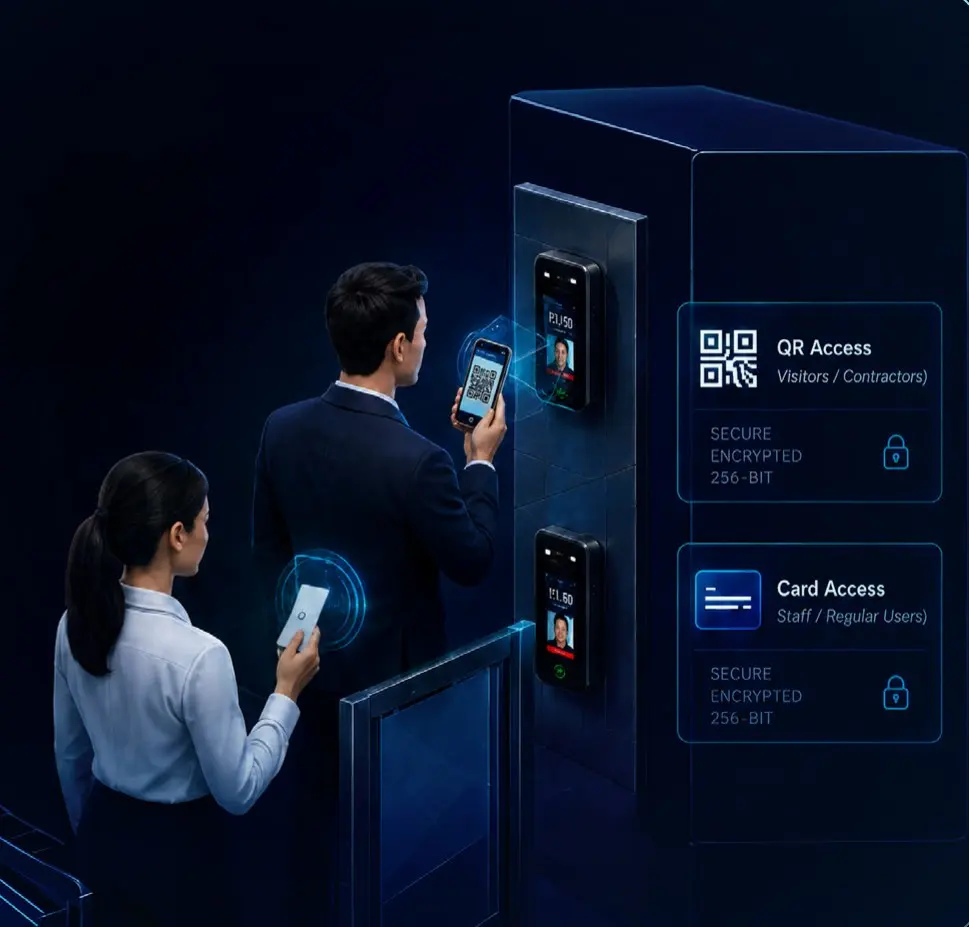
QR code and card access
Wygress supports QR codes and access cards alongside facial recognition, allowing organisations to match credentials effectively to each user and situation. QR codes suit visitors, contractors and temporary access, while cards remain familiar for employees and residents. Multiple credential types enable flexible adoption without immediately replacing every existing entry method.
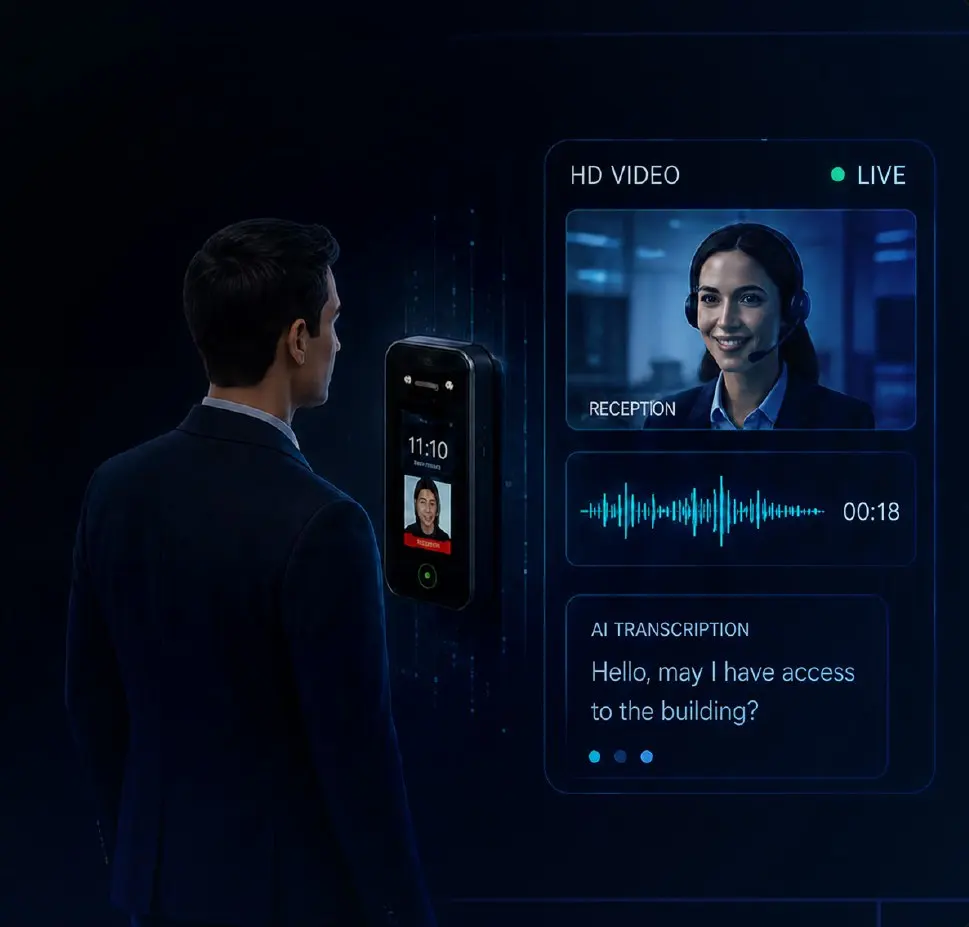
SIP-enabled intercom
Wygress adds SIP-enabled intercom communication at the point of entry, allowing visitors or users to request assistance before access is granted. Compatible devices can support receptions, gates, service entrances, delivery points and remotely supervised locations, combining identity-based access with direct person-to-person verification wherever additional confirmation is required on-site.
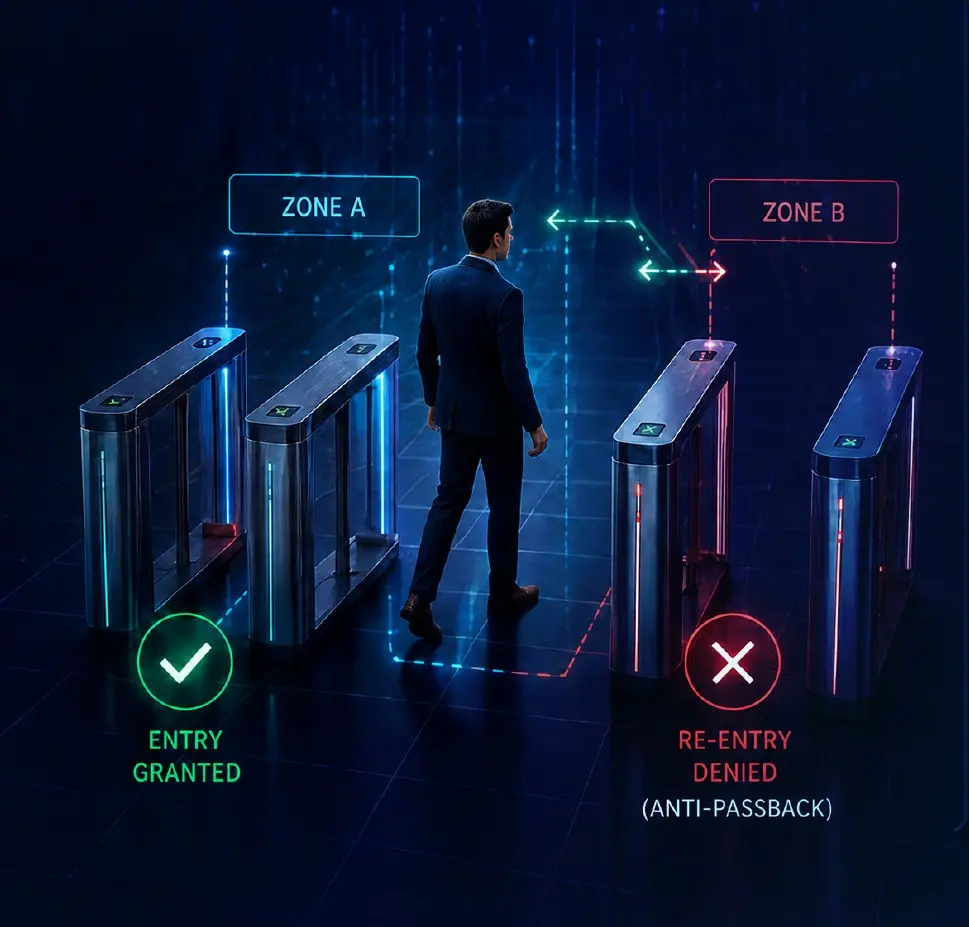
Anti-passback across face, QR and card
Wygress applies anti-passback rules across facial, QR and card credentials to discourage repeated use of the same identity or credential at controlled entry points. Stronger entry discipline reduces credential sharing and improves movement records, supporting more reliable attendance, zone occupancy and evacuation reporting across the organisation’s monitored areas and sites.
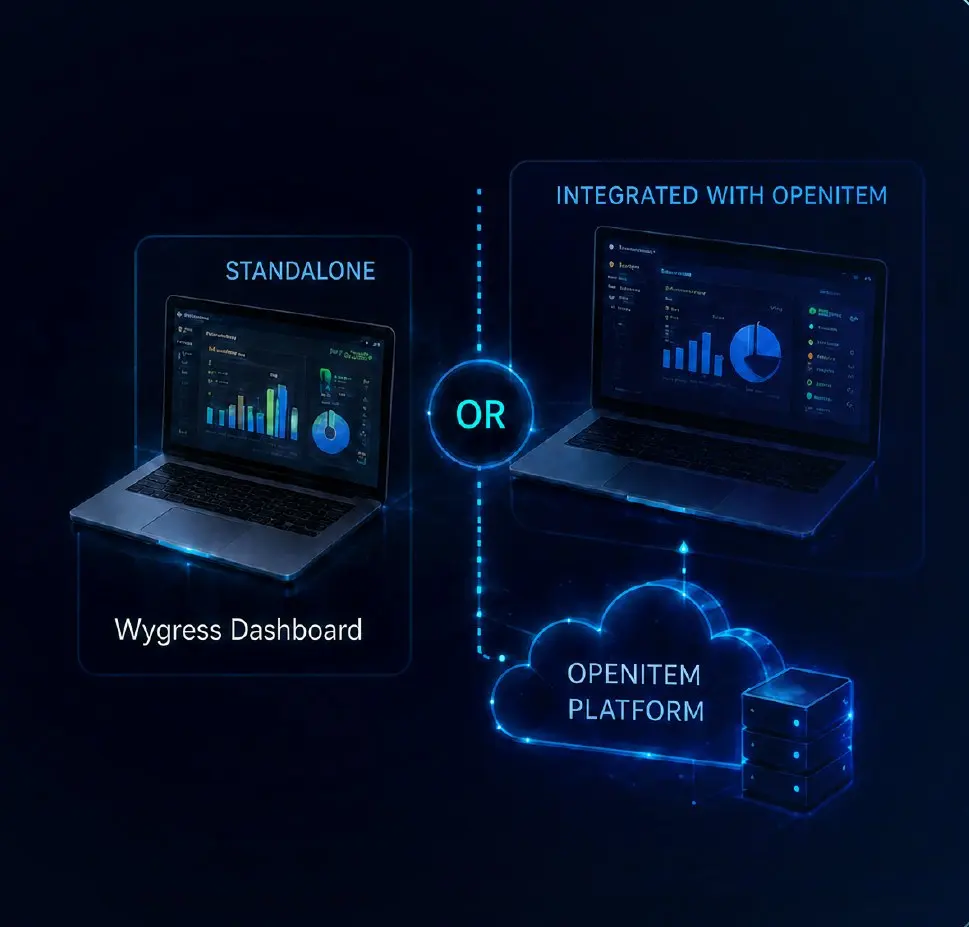
Standalone or integrated with Openitem
Wygress can operate as a complete standalone solution with its own dashboard, users, credentials and compatible devices, providing focused entry management without a broader access control platform. When additional capabilities are needed, it can integrate with Openitem, creating a flexible growth path for existing customers and multi-site deployments over time.
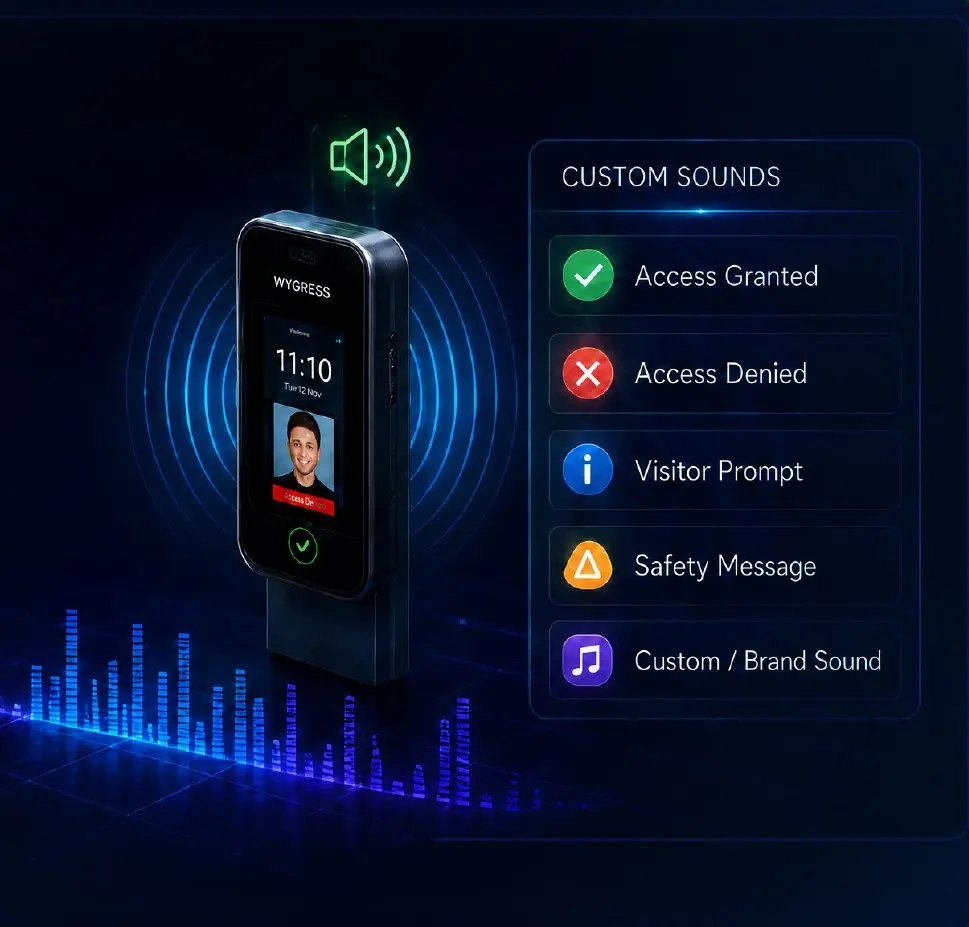
Custom sounds
Custom sounds let supported devices provide clear audio feedback for entry, access, instructions, safety messages and site-specific notifications. Tailored prompts help users understand what is happening without relying only on a screen, while supporting local languages, organisational branding and different instructions across varied operational environments and sites.
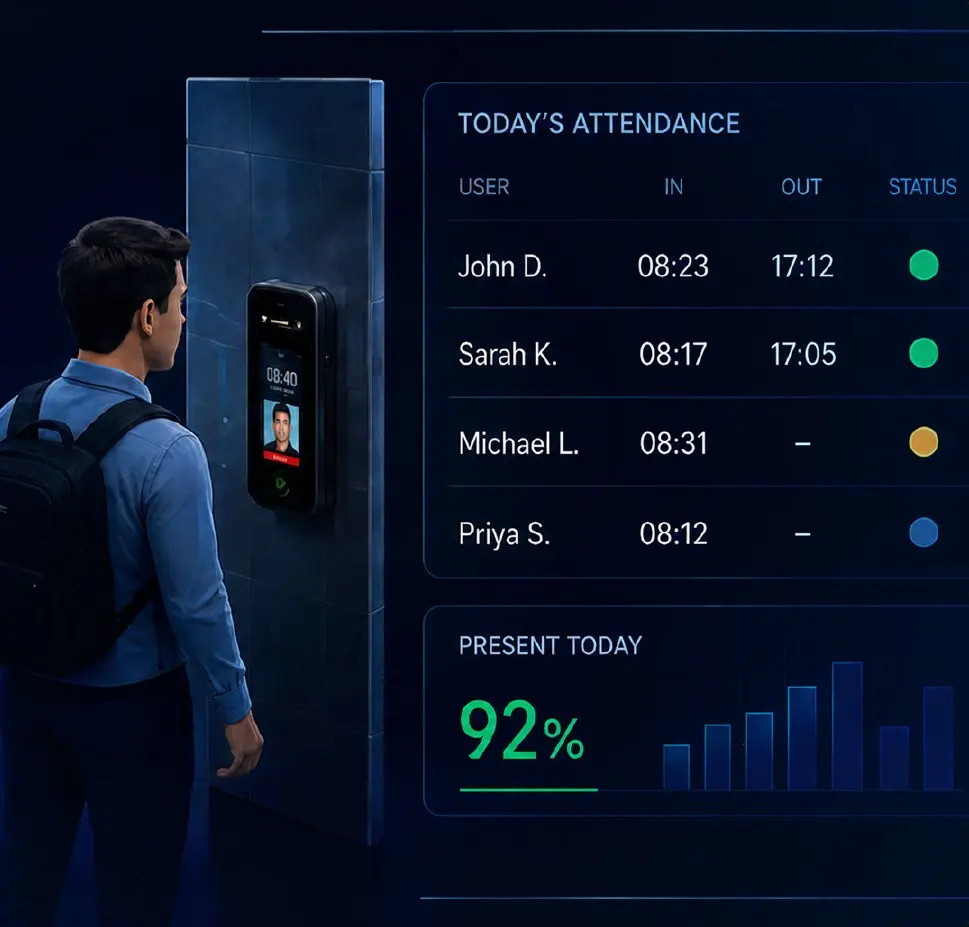
Time and attendance
Wygress uses recorded entry and exit activity to provide time and attendance visibility within the same platform used for entry management. Administrators can review arrivals, departures and attendance patterns, supporting workforce oversight, contractor management and operational reporting while reducing the need for separate entry and attendance processes for daily operations.
When Wygress is integrated with Openitem, the same events can feed Openitem Time & Attendance for payroll-ready reporting across the wider estate.
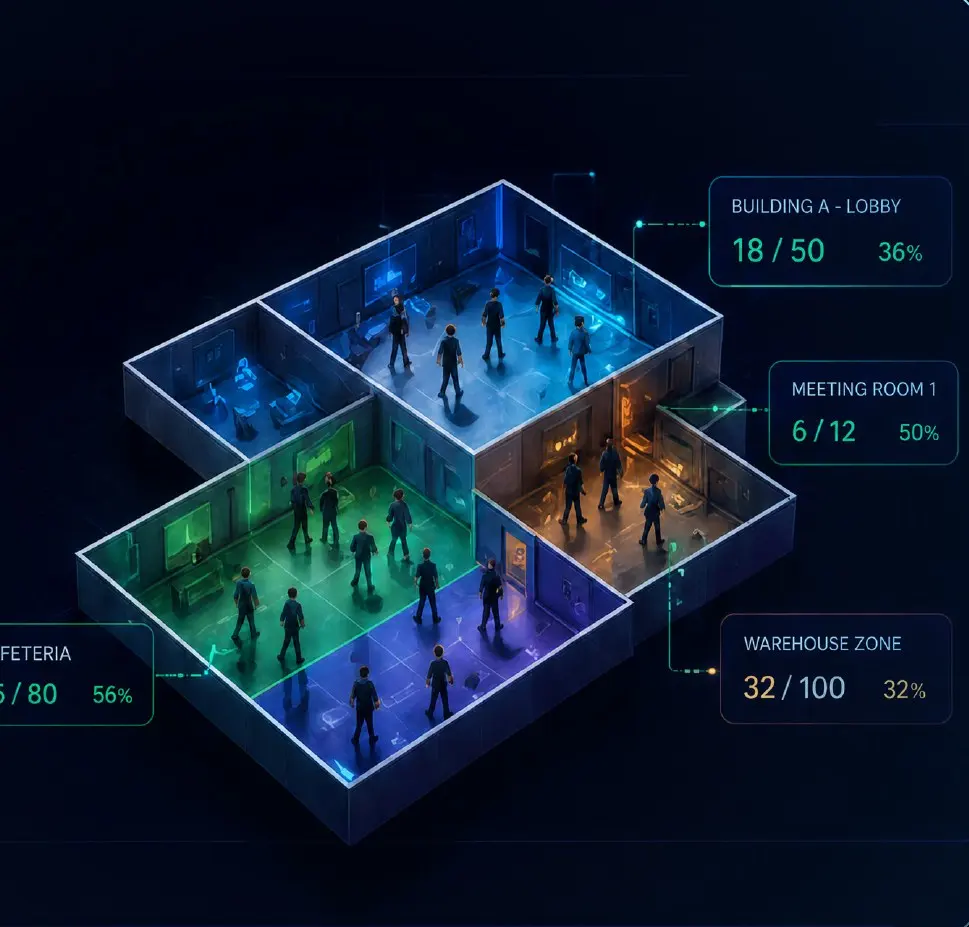
Zone occupancy
Wygress uses recorded movement into and out of defined areas to show how many people are currently recorded within each zone. This information supports capacity management, space planning, restricted-area oversight and operational decisions. Consistent use of entry and exit points, supported by anti-passback rules, improves occupancy accuracy across monitored areas.
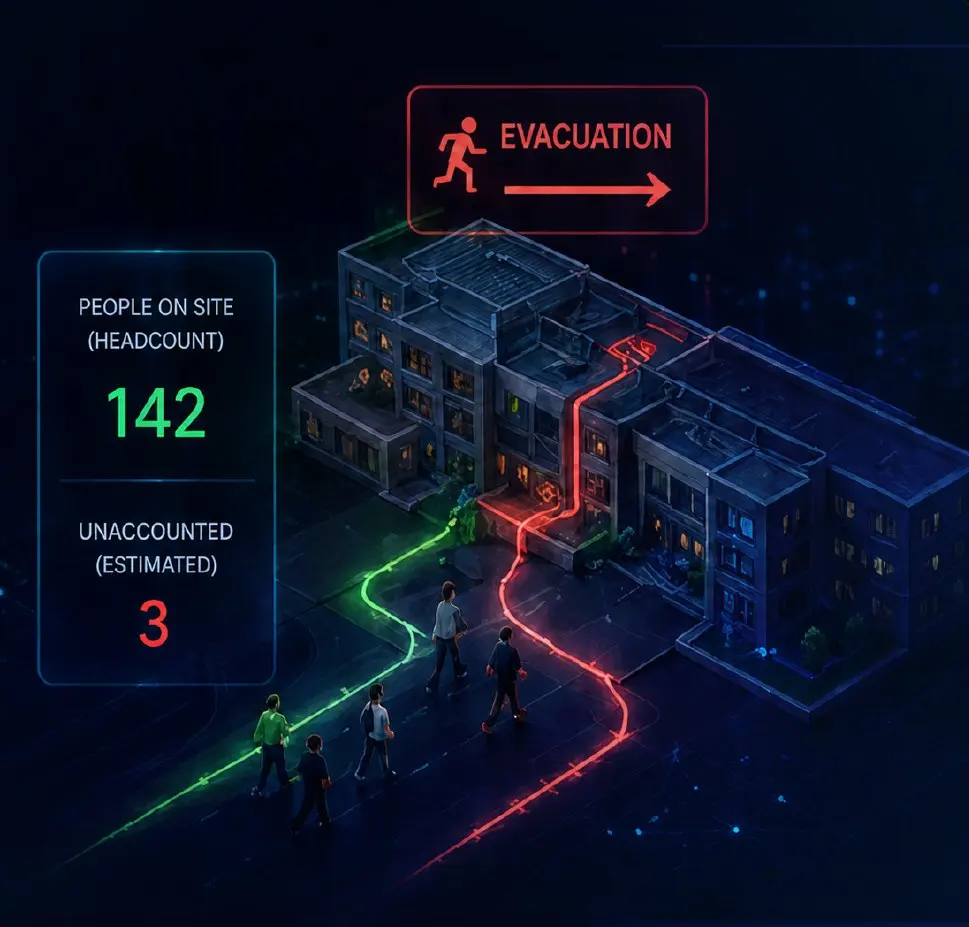
Evacuation support
During an emergency, Wygress helps authorised teams identify who is recorded on site or within monitored zones, supporting evacuation management and personnel accountability. Combined identity, movement and occupancy information helps determine who may remain unaccounted for. Wygress supports established procedures but does not replace required life-safety processes.
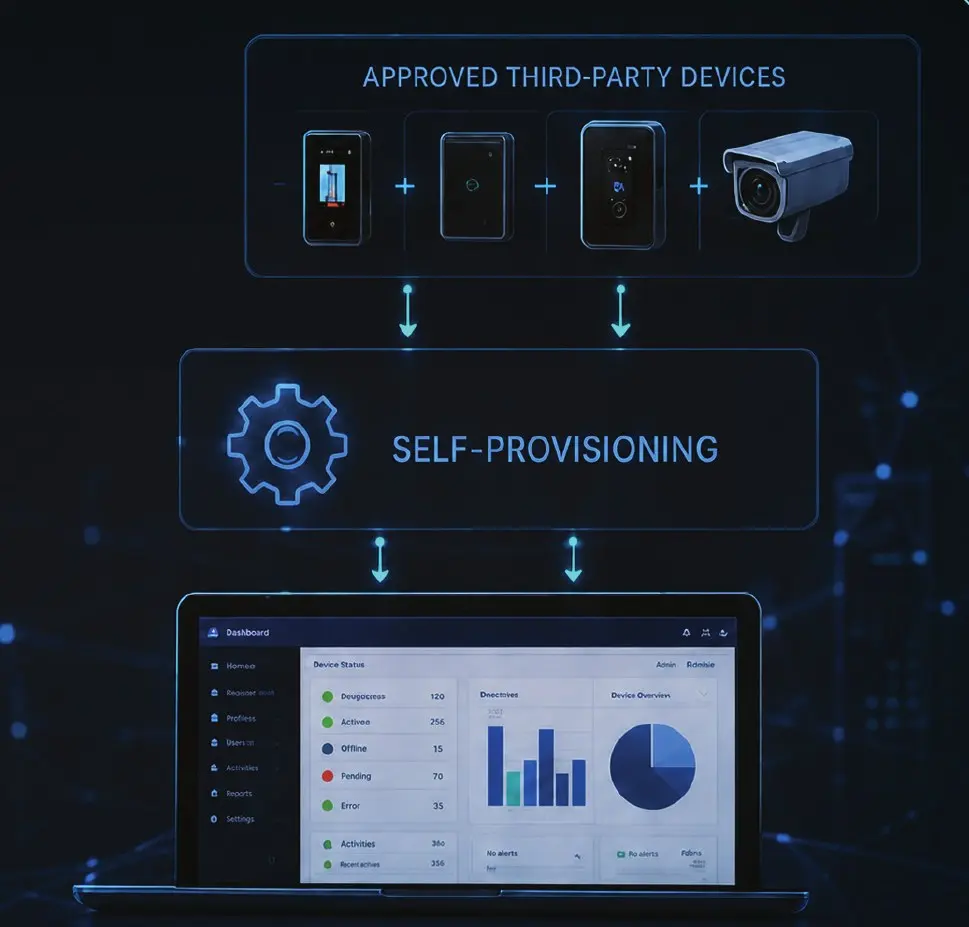
Self-provisioning and third-party device acquisition
Wygress simplifies deployment through self-provisioning and compatible devices acquired through supported third-party channels. Customers can source hardware, provision devices into their Wygress environment and manage them through the dedicated dashboard. This approach supports flexible installation, replacement and expansion while maintaining a consistent management experience across entry points and multiple locations.
Supported hardware
Wygress can be deployed with selected third-party hardware where customers need to complement the devices already included in the solution. Typical additions may include biometric readers, QR scanners, smart card readers, intercoms, door controllers, locks, exit buttons, turnstiles, sensors and emergency release equipment. Common manufacturers in the broader access-control market include Suprema, HID, Axis Communications, 2N, Akuvox, ZKTeco, Hikvision and Dahua.
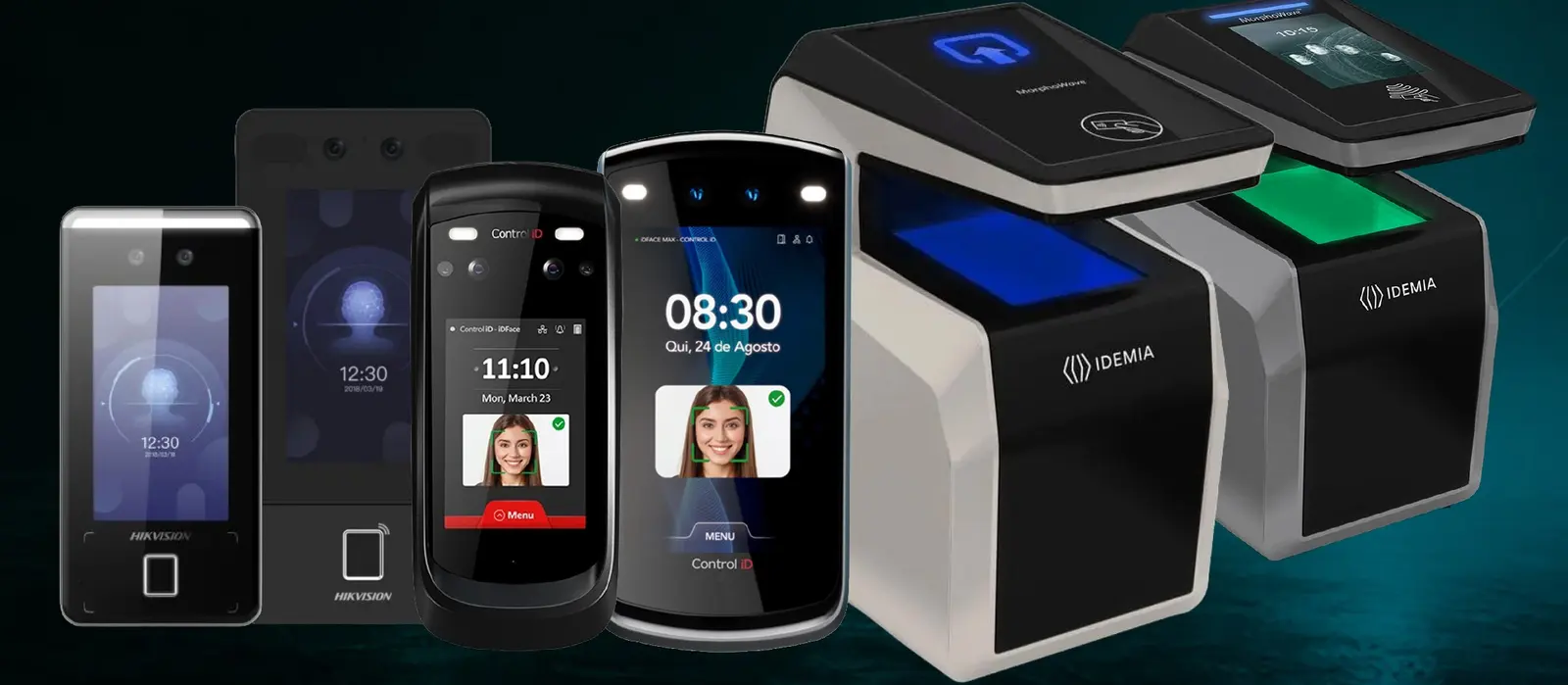
Availability, certification and integration capability vary by model, firmware and region. Every proposed device should therefore be confirmed against the supported compatibility list and installation requirements before procurement, ensuring reliable operation, security and ongoing technical support throughout its lifecycle.
Wygress runs on a defined list of supported devices, each carrying a Works with Wygress badge on its own page. Control iD’s iDFace facial readers and iDUHF vehicle controller are the reference devices. IDEMIA’s MorphoWave contactless fingerprint readers and MorphoAccess SIGMA Lite terminals are supported alongside them, and Hikvision face terminals form part of the standard line-up. See Control iD: Autonomous Entry, Attendance and Occupancy Management for the reference devices in detail, and the access-control hardware range for every reader, controller and terminal that runs with Openitem.
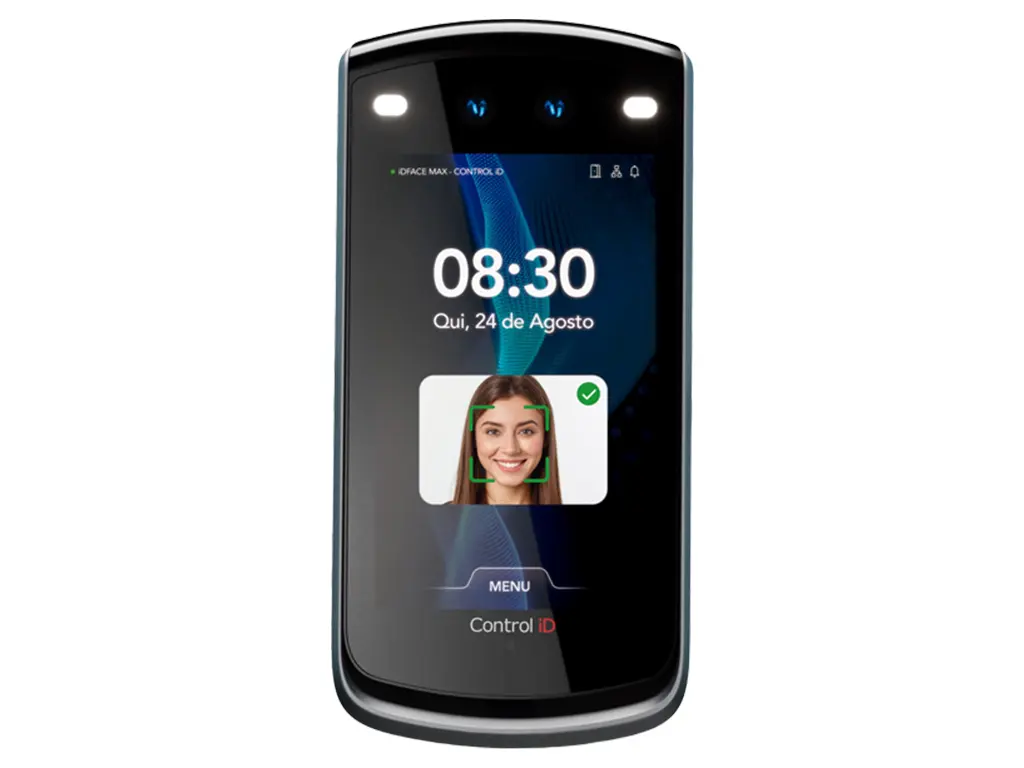
Control iD Access Control iDFace Max
Its high quality algorithm enables face liveness detection Identification of up…
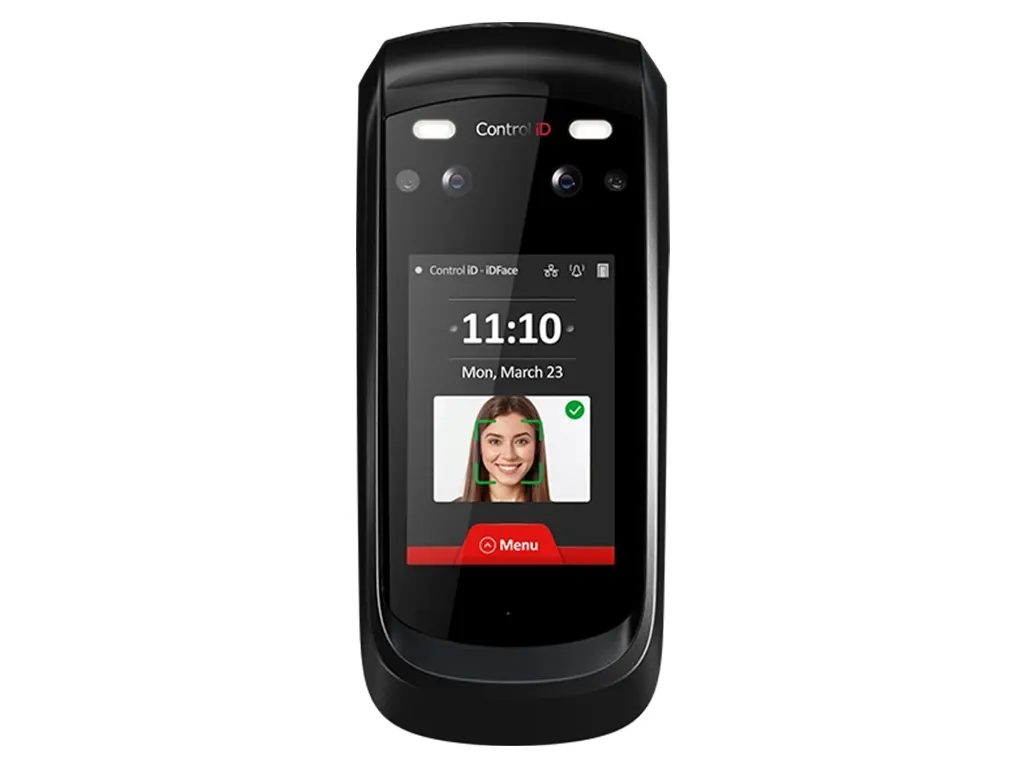
Control iD Access Control iDFace
Its high quality algorithm enables face liveness detection Identification of up…
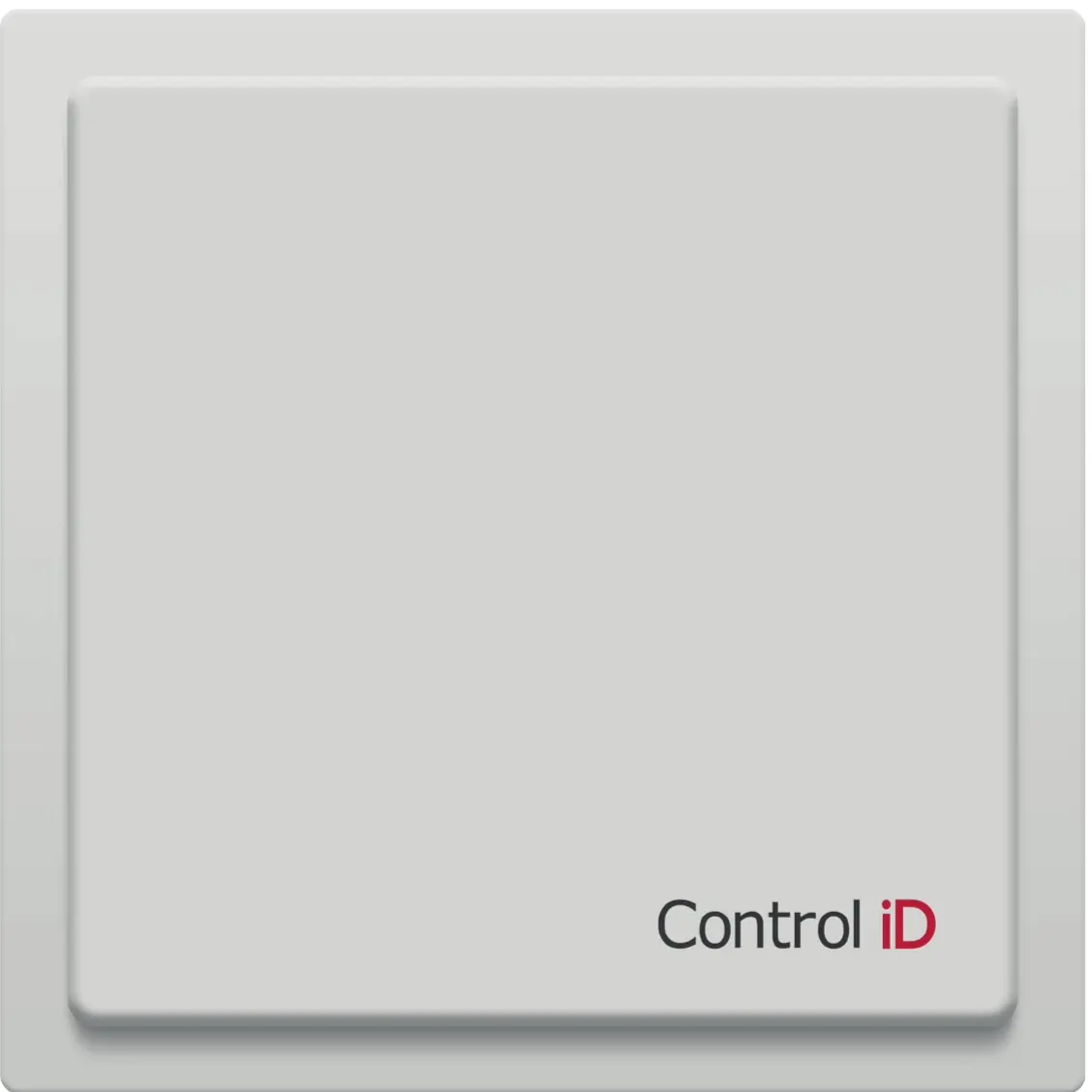
Control iD iDUHF Access Controller
Long-range UHF vehicle-tag reader and gate controller in one — reads at up to 15 m, IP65, over 200,000 users…
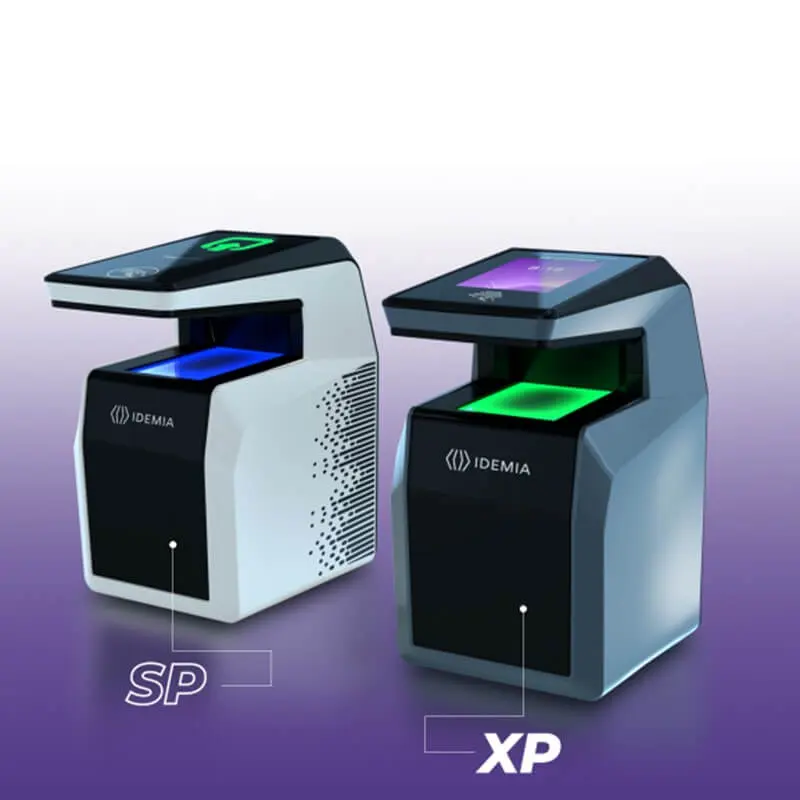
IDEMIA MorphoWave
Contactless fingerprint: four prints read from a wave of the hand, touchless and hygienic, up to 60 people a minute.
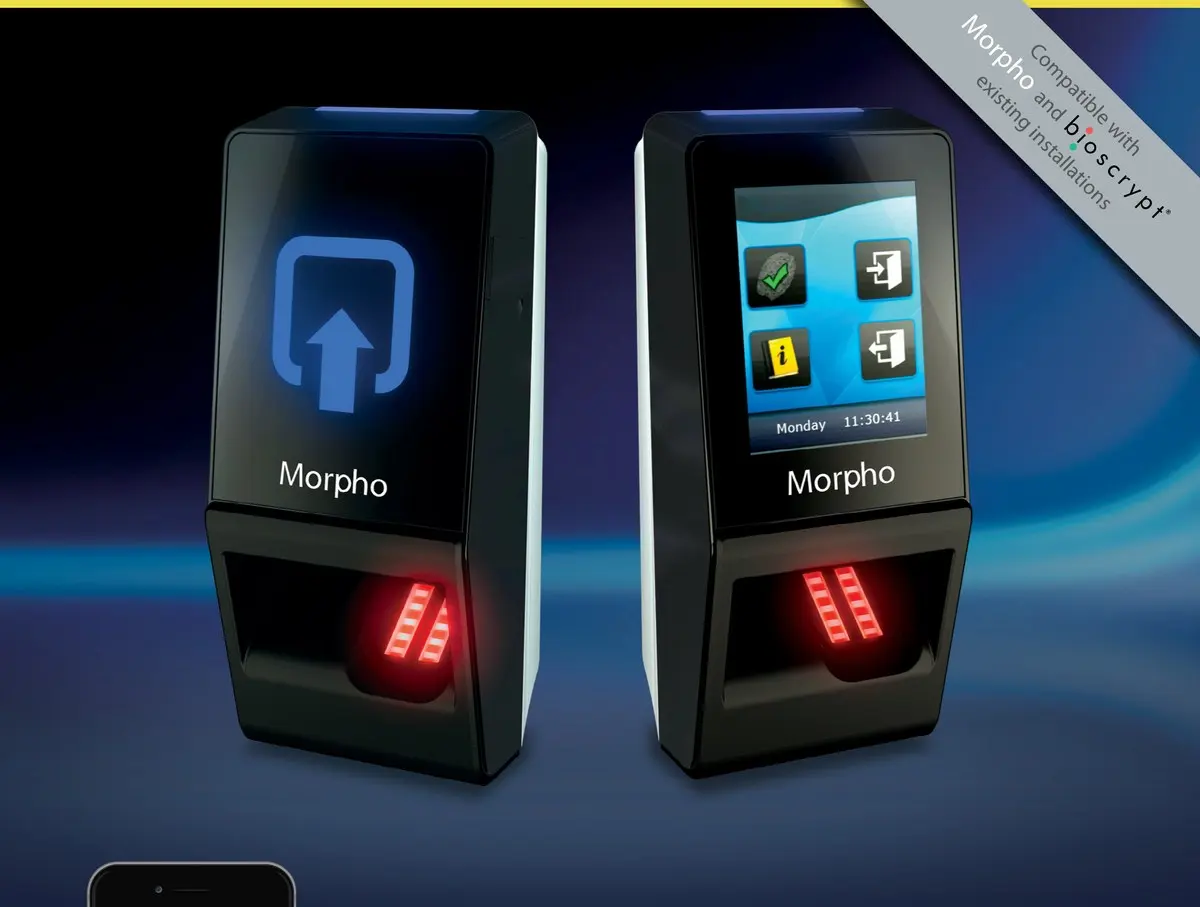
IDEMIA MorphoAccess SIGMA Lite
Slim fingerprint terminals for door mullions, turnstiles and rack doors; 1:10,000 identification in a second, IP65.
Flexible deployment options
- Standalone deployment — Wygress operates independently with its own dashboard and compatible devices. Suited to new sites, smaller deployments, remote locations or organisations that want a dedicated entry solution without a traditional access control platform.
- Integrated Openitem deployment — Wygress connects with the broader Openitem environment when a customer needs a more integrated approach. Suitable for existing Openitem customers or organisations that want Wygress entry devices to form part of a wider solution.
- Phased deployment — begin with a focused standalone installation and expand over time. Additional users, credentials, devices or locations can be introduced as requirements grow, with Openitem integration available when a broader platform becomes appropriate.
A straightforward deployment journey
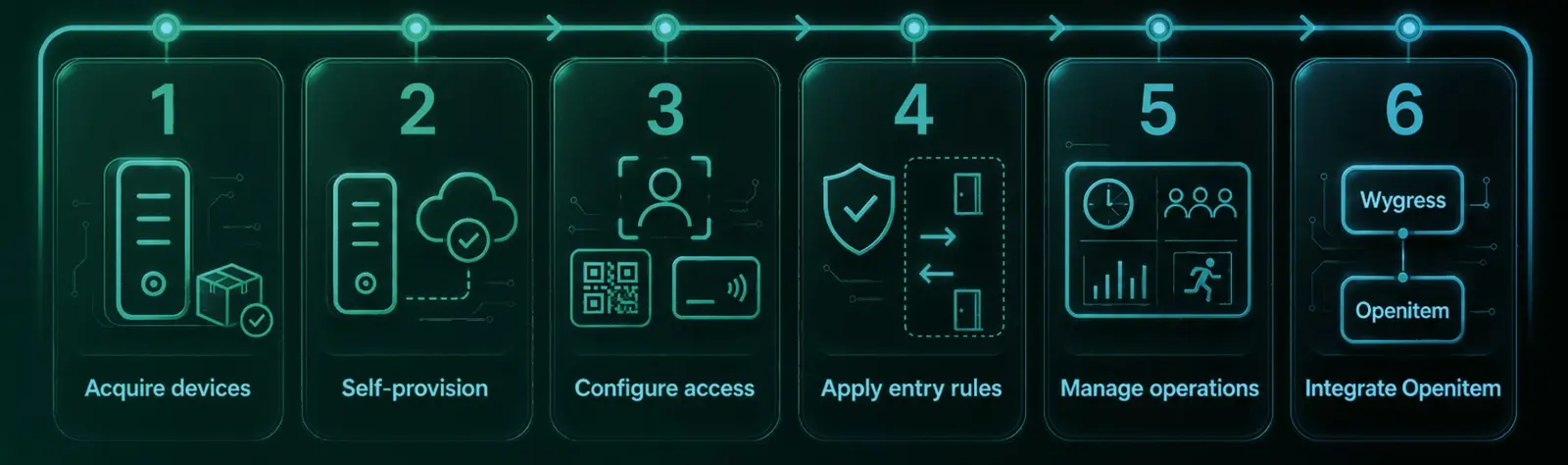
- Acquire devices — source compatible standalone devices through the preferred supported channel.
- Self-provision — provision the devices into the organisation’s Wygress environment.
- Configure access — set up users and the required facial, QR or card credentials.
- Apply entry rules — anti-passback requirements, zones and device settings.
- Manage operations — use the Wygress dashboard to manage activity, attendance, occupancy and evacuation information.
- Integrate with Openitem — when the deployment requires broader functionality.
This approach is designed to make Wygress practical for both an initial single-site rollout and a growing multi-location environment.
Practical applications
- Education & campus — support a large identity population, multiple credential types and occupancy awareness across buildings or defined zones.
- Residential communities — combine facial and card access for regular users with QR credentials and intercom communication for visitors, service providers and contractors.
- Industrial sites — use anti-passback, attendance information and zone occupancy to strengthen movement control and improve visibility across operational areas.
- Commercial offices — provide contactless employee entry, QR access for visitors, SIP intercom support at reception and attendance information for operational oversight.
- Temporary sites — use compatible standalone devices, self-provisioning and flexible credentials to manage changing groups of workers and contractors.
- Medical facilities — use facial, card and QR credentials to manage staff, visitors and contractors while supporting restricted-area control, attendance and visibility.
Benefits across the organisation
- For administrators — a dedicated dashboard brings users, credentials, devices and operational information into one focused management environment.
- For security and reception teams — multiple identity methods, SIP intercom communication and anti-passback provide stronger control over how people enter, and over exceptions.
- For operations teams — time and attendance, zone occupancy and evacuation information provide additional insight from the same entry activity being recorded.
- For employees, residents and visitors — facial recognition, QR codes, cards and intercom communication create a flexible entry experience suited to permanent and temporary users.
- For growing organisations — standalone operation, self-provisioning, third-party device acquisition and optional Openitem integration evolve with requirements.
Capability summary
| Capability | What it gives you |
|---|---|
| Facial access | Contactless entry for databases of up to 100,000 faces |
| QR and card | Flexible credentials for permanent, temporary and visitor access |
| SIP intercom | Direct communication and assisted entry at compatible devices |
| Anti-passback | Helps prevent repeated credential use across face, QR and card |
| Dedicated dashboard | Central management of users, credentials, devices and activity |
| Standalone operation | A focused entry solution without a full access control deployment |
| Openitem integration | A path into the broader Openitem ecosystem |
| Custom sounds | Tailored device feedback, prompts and site-specific messages |
| Time and attendance | Entry-based visibility of arrivals, departures and attendance patterns |
| Zone occupancy | Operational awareness of people recorded within defined areas |
| Evacuation support | Information to assist site accountability during an emergency |
| Self-provisioning | Flexible deployment of compatible third-party devices |
Why Wygress?
Wygress gives organisations a smarter and more flexible way to manage entry. It combines multiple access methods with communication, attendance, occupancy and safety capabilities in one focused platform, supported by a dedicated management dashboard.
It can stand alone where simplicity matters, integrate with Openitem where broader control is required, and expand as an organisation’s needs develop. This balance of capability and flexibility makes Wygress suitable for sites that want more intelligence at the point of entry without unnecessary complexity.
See the reference devices
Control iD’s iDFace readers and iDUHF vehicle controller are the devices Wygress was built around — how they are deployed, what they integrate with and the rest of the range.

Also from Openitem: Wytrack
GPS tracking for vehicles, trailers, plant and high-value assets — live position, 90-day playback, geofence alerts and recovery assistance.
Ready to talk about Wygress for your site? Contact us, or visit wygress.app.